
T04
The Liberated Leader
Accountability without unnecessary control
View course details →Training and development for organizations
Equip leaders, teams, and community partners with practical skills they can use in the environments where they work. Explore a shared catalog of 21 programs, then align the learning with your people, priorities, and implementation goals.
Find your starting point
Every program below is featured through both MaxOut Coaching and Dent Enterprises, Inc. Choose by audience, topic, or the skills you want participants to practice.
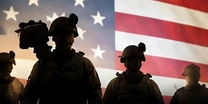
Honor the service. Strengthen the support. Prepare for what comes next.
3 programs →
Build trust. Align people. Turn shared purpose into practice.
6 programs →
Move from awareness to a thoughtful, practical response.
6 programs →
Recognize strengths. Reclaim direction. Practice the next step.
6 programs →Featured programs
Choose a focused training or combine related programs into a learning series. Begin with the behavior, practice, or capability your organization needs to strengthen, then define how progress will be reviewed.
T04
Accountability without unnecessary control
View course details →T07
Alignment across the people who set direction
View course details →T10
From shared understanding to coordinated practice
View course details →The complete training catalog
Open any course to see its description, audience, learning objectives, expected outcomes, and participant takeaway.
Objectives and outcomes describe the intended learning for an appropriately scoped workshop or series. The final agenda identifies which objectives, practice activities, and takeaways fit the selected format. Long-term personal or organizational results are not guaranteed.
Showing all 21 programs.
Practical learning for veterans, first responders, peer supporters, and families navigating service-related responsibilities, changing roles, and life transitions.
Connection, boundaries, and practical support
Prepare participants to offer respectful, practical support grounded in shared experience. The training emphasizes listening, trust, appropriate use of personal stories, role boundaries, and connection to resources without asking peers or families to become clinicians.
Best suited for: Peer supporters, veterans, first responders, family support leaders, and agency teams.
Format to discuss: Interactive workshop or multi-session series.
Foundational education; not a state peer-specialist credential or clinical qualification.

Navigating transition with identity and purpose
Treat a major transition as a purposeful passage rather than a loss of direction. Participants reflect on what is ending, what remains meaningful, and what they are ready to build while identifying practical support for their next chapter.
Best suited for: Veterans, first responders, transitioning service members, family members, and transition programs.
Format to discuss: Interactive workshop or multi-session series.

Reconnecting with yourself and the people who matter
Explore how to move between the demands of service and the needs of home, relationships, and personal identity. Unlike the broader Rite of Passage program, this workshop focuses on everyday decompression, communication, boundaries, and connection during or after a service career.
Best suited for: Veterans, active and retired first responders, spouses, partners, and family support groups.
Format to discuss: Interactive workshop or multi-session series.
Leadership and relationship training that helps people communicate clearly, work through differences, establish healthy accountability, and collaborate around shared goals.
Accountability without unnecessary control
Examine how to lead with clear expectations while giving people room to think, contribute, and take ownership. Participants practice a leadership approach that pairs empathy with accountability and replaces avoidable micromanagement with stronger agreements and follow-through.
Best suited for: Executives, supervisors, managers, pastors, educators, and emerging leaders.
Format to discuss: Interactive workshop or multi-session series.

Self-awareness, wisdom, and relational maturity
Connect emotional intelligence with biblical reflection on wisdom, patience, humility, compassion, and self-control. Participants explore how to recognize emotions, respond thoughtfully, and handle conflict without equating emotional struggle with a lack of faith.
Best suited for: Church leaders, ministry teams, faith-based organizations, and adults seeking Christian learning.
Format to discuss: Interactive workshop or multi-session series.
Explicitly Christian content. Faith-based delivery is selected intentionally with the host.

Communication, collaboration, and shared results
Help teams move from working alongside one another to working together with greater clarity. Participants examine handoffs, communication habits, competing priorities, and recurring friction, then develop practical agreements for collaboration and shared problem-solving.
Best suited for: Cross-functional teams, department staff, human resources teams, and organizational leaders.
Format to discuss: Interactive workshop or multi-session series.
Alignment across the people who set direction
Focus on the leadership decisions that shape collaboration across an organization. Participants align priorities, clarify decision-making, and examine how inconsistent messages or competing leadership agendas affect the teams they lead.
Best suited for: Executive teams, management groups, boards, ministry leadership teams, and department heads.
Format to discuss: Interactive workshop or multi-session series.

Connection, communication, and healthy boundaries
Build practical skills for relationships in which people can express needs, listen carefully, and address differences respectfully. This educational workshop emphasizes mutual choice and boundaries; collaboration never requires someone to accept intimidation, abuse, or unsafe conditions.
Best suited for: Adults, couples education groups, peer teams, community programs, and relationship-focused groups.
Format to discuss: Interactive workshop or multi-session series.
Relationship education, not couples therapy or a substitute for abuse-related safety support.

Shared responsibility, connection, and trust
Create space for families and community partners to identify shared priorities and rebuild practical cooperation. Participants examine barriers to participation, strengthen communication, and plan small, realistic actions without assuming that every conflict can or should be resolved through reconciliation.
Best suited for: Family-serving organizations, community coalitions, schools, faith communities, and neighborhood leaders.
Format to discuss: Interactive workshop or multi-session series.
Education for people and organizations seeking safer interactions, clearer support boundaries, stronger referral practices, and more consistent trauma-informed approaches.
From shared understanding to coordinated practice
Help organizations translate trauma awareness into everyday interactions and coordinated support. The workshop introduces educational applications of Choice Theory, Reality Therapy, Acceptance and Commitment Therapy (ACT), and Mental Freedom alongside safety, voice, choice, and collaboration.
Best suited for: Community coalitions, schools, agencies, nonprofits, public safety partners, and service leaders.
Format to discuss: Interactive workshop or multi-session series.
Educational application of frameworks; not clinical treatment training or a clinical credential.

Understanding stress, behavior, and supportive responses
Explore how traumatic stress may influence attention, memory, emotions, relationships, and behavior. Participants learn to approach observable distress with curiosity rather than labels while recognizing that experiences differ and a training participant should not diagnose another person.
Best suited for: Educators, supervisors, peer supporters, helping professionals, families, and community members.
Format to discuss: Interactive workshop or multi-session series.

Sustainable support for people who serve others
Examine the personal and organizational demands of supporting others through stress and adversity. Participants identify warning signs, strengthen boundaries, and develop realistic recovery practices while recognizing that self-care alone cannot correct unsafe workloads or inadequate organizational support.
Best suited for: First responders, peer supporters, educators, ministry leaders, healthcare staff, and helping professionals.
Format to discuss: Interactive workshop or multi-session series.

Turning awareness into responsible action
Apply Dr. Charles Dent's integrative educational framework to practical decisions about support, relationships, and organizational response. Participants connect trauma-informed principles with needs, self-evaluation, values, and responsible planning through guided scenarios rather than diagnosis or automated risk scoring.
Best suited for: Educators, program leaders, supervisors, peer support teams, and human services organizations.
Format to discuss: Interactive workshop or multi-session series.
An educational framework, not a validated diagnostic tool, predictive algorithm, or treatment protocol.

Recognize concerns, offer initial support, connect to help
A standardized Mental Health First Aid course focused on recognizing mental health or substance use concerns, offering initial support, and encouraging appropriate help. Learning follows the approved curriculum and MHFA Action Plan rather than a custom clinical intervention.
Best suited for: Employees, educators, community members, public-facing staff, and organizational support teams.
Format to discuss: Standardized course; duration, pre-work, and delivery follow the authorized curriculum.
Participant training, not instructor certification. Course version and current instructor authorization are confirmed before booking.

Suicide-prevention gatekeeper training
Introduce the QPR approach to recognizing possible suicide warning signs, asking directly about suicide, encouraging acceptance of help, and connecting someone with appropriate support. The course prepares gatekeepers to take an initial helpful step, not to provide clinical risk assessment or treatment.
Best suited for: Employees, community members, educators, faith leaders, peer supporters, and public-facing teams.
Format to discuss: Standardized gatekeeper course; timing follows current QPR requirements.
Participant training, not instructor certification. Current instructor authorization and course requirements are confirmed before booking.
Strengths-based learning that connects identity, recovery, cultural resilience, purpose, and everyday habits with realistic plans for personal and professional growth.
Self-leadership, purpose, and practical growth
Translate personal reflection into purposeful action through MaxOut's focus on self-awareness, self-leadership, self-assessment, and disciplined follow-through. Participants clarify what matters, examine current habits, and choose realistic steps toward growth without treating coaching as mental health treatment.
Best suited for: Adults, workforce participants, emerging leaders, employee groups, and community learning programs.
Format to discuss: Interactive workshop, coaching-informed group series, or individual engagement.

An individualized path to recovery and purpose
Help participants look beyond limiting labels and one-size-fits-all expectations. This recovery-focused workshop explores individual strengths, values, and support needs so that personal goals reflect the person's circumstances rather than comparisons with someone else's progress.
Best suited for: Men and women in recovery, recovery community organizations, reentry programs, and peer-led groups.
Format to discuss: Interactive workshop or multi-session series.
Recovery education complements, rather than replaces, treatment, medication, or established recovery supports.

Awareness, values, and intentional next steps
Explore how thoughts, emotions, values, and everyday choices relate to recovery goals. Participants practice noticing internal experiences without shame, identifying available options, and seeking support. Personal agency is emphasized without suggesting that addiction, trauma, or emotional distress is simply a matter of choice.
Best suited for: Men and women in recovery, peer support groups, recovery programs, and community reentry initiatives.
Format to discuss: Interactive workshop or multi-session series.
Educational support, not psychotherapy or a substitute for individualized recovery care.

Identity, cultural strengths, and collective wellbeing
A strengths-based learning experience exploring Black identity, cultural resources, community connection, and resilience. Participants consider both personal agency and structural barriers while rejecting the expectation that strength requires silence, constant endurance, or managing adversity alone.
Best suited for: Black-serving organizations, community leaders, educators, mentoring groups, and culturally responsive programs.
Format to discuss: Interactive workshop or multi-session series.
Presented as a training topic and strengths-based lens, not a diagnostic theory or validated clinical model.

Mental wellness for Black men and men of color
Create a respectful learning environment for discussing emotional expression, identity, stress, relationships, and help-seeking. The workshop centers varied lived experiences rather than stereotypes and helps participants consider what strength, support, and wellbeing can look like in their own lives.
Best suited for: Black men and men of color, men's groups, mentoring initiatives, workforce programs, and community partners.
Format to discuss: Interactive workshop or multi-session series.
Participants may reflect privately and are never required to disclose personal trauma.

Purposeful habits and sustainable execution
Define better performance in terms of meaningful priorities, consistent habits, and sustainable effort rather than constant overwork. Participants examine where attention and energy are going and build a simple system for focused action, feedback, and adjustment.
Best suited for: Employees, leaders, workforce participants, coaches, and personal-development groups.
Format to discuss: Interactive workshop or multi-session series.
Course artwork is illustrative and does not depict actual training participants.
Combine programs with a purpose
These sample pathways show how related programs can work together. Sequence, scope, materials, and follow-up are finalized for your engagement.
Veteran and first-responder organizations
Connect peer support, purposeful transition planning, and healthier duty-to-home communication.
Peer Support for Veterans, First Responders & Families → Rite of Passage → Taking the Uniform Off
Planning focus: A coordinated set of peer-support, transition, and family-connection plans.
Organizations, leadership teams, and departments
Pair leader self-assessment with shared leadership agreements and team collaboration practices.
The Liberated Leader → Building Synergy in Leadership → Creating Synergy in the Workplace
Planning focus: A leadership alignment charter and a team working agreement.
Schools, agencies, service organizations, and community coalitions
Build shared understanding, practice appropriate responses, and plan organizational changes alongside staff support.
How Trauma Impacts the Mind → The Trauma-Informed Algorithm → Building a Trauma-Informed Community → Navigating Self-Care & Trauma
Planning focus: A practice application worksheet and a 90-day improvement plan.
Recovery organizations, peer groups, and workforce programs
Connect individualized recovery goals with reflection, support-seeking, and sustainable daily habits.
The End of Average → Mental Freedom in Recovery → Living at a Higher Level of Performance
Planning focus: An individualized recovery map and a values-based action plan.
Choose the right depth
Discuss an in-person or virtual format suited to your audience and goals. Timing, travel, fees, accessibility, and deliverables are confirmed in the engagement proposal.
Introduce a focused idea, shared language, and a practical next step.
Explore a defined topic through reflection, discussion, and introductory practice.
Add case scenarios, skill practice, participant tools, and action planning.
Build skills over time with practice, feedback, and agreed implementation support.
These formats apply to custom programs. Mental Health First Aid and QPR retain their own curriculum, timing, and completion requirements.
Educational services. Training and coaching are educational and developmental services. They do not provide diagnosis, psychotherapy, medical treatment, or emergency care. Participation does not confer clinical competence or professional licensure.
Voluntary participation. Personal disclosure is voluntary. Scenarios can be discussed without sharing trauma histories. Accessibility needs, cultural context, and faith-based preferences are considered during planning.
Faith-informed options. General programs are delivered without religious content unless a faith-informed version is requested. Emotional Intelligence from a Biblical Perspective is explicitly Christian.
Credentials and credit. Continuing education credit, professional certification, and state peer-support credentials are not implied. Any approved credit or credential is identified in the written engagement agreement.
Mental Health First Aid and QPR follow their respective program requirements and are not compressed or combined with custom content in ways that alter the required curricula. Course version, instructor authorization, prerequisites, materials, and completion requirements are confirmed before booking.
Plan for application
Identify the audience, existing strengths, current challenge, and the behavior or practice you want to strengthen.
Use relevant scenarios, guided reflection, and an agreed participant tool to connect learning with everyday responsibilities.
Choose a realistic progress check, such as a completed action plan, observed skill practice, or a 30-day implementation review.
Evaluation and follow-up services are included only as specified in the written engagement agreement. A satisfaction rating or confidence score alone is not evidence of lasting behavior change.
Bring the learning to your organization
Share your organizational goals, intended participants, preferred format, and desired timing. Training content and facilitation planning can be coordinated with Dr. Charles Dent.
Dent Enterprises, Inc.
Jabaria@DentEnterprisesInc.com
251-545-2100
Training and facilitation inquiries may be coordinated with Dr. Charles Dent.
Open a training inquiry email →Please provide business and event information only. Do not include diagnoses, trauma histories, or confidential participant information in a training inquiry.
This page is not monitored for emergencies. In the United States, call or text 988 for crisis support. Call 911 for an immediate emergency.
Before you book
Custom workshops can be planned around your audience, examples, goals, and accessibility needs. Final deliverables are set in the proposal. Mental Health First Aid and QPR must preserve their required curricula.
Continuing education credit, professional certification, and state peer-support credentials are not implied. Any approved credit or credential is identified in the written engagement agreement. Mental Health First Aid and QPR participant completion is distinct from instructor certification.
Personal disclosure is voluntary. Scenarios can be discussed without sharing trauma histories. Accessibility needs, cultural context, and faith-based preferences are considered during planning.
Training and coaching are educational and developmental services. They do not provide diagnosis, psychotherapy, medical treatment, or emergency care. Participation does not confer clinical competence or professional licensure. Recovery-focused programs are intended to complement existing care and support.
Fees depend on the selected program, scope, audience size, format, materials, travel, and agreed follow-up. Submit a training inquiry to discuss fit and receive an engagement proposal.